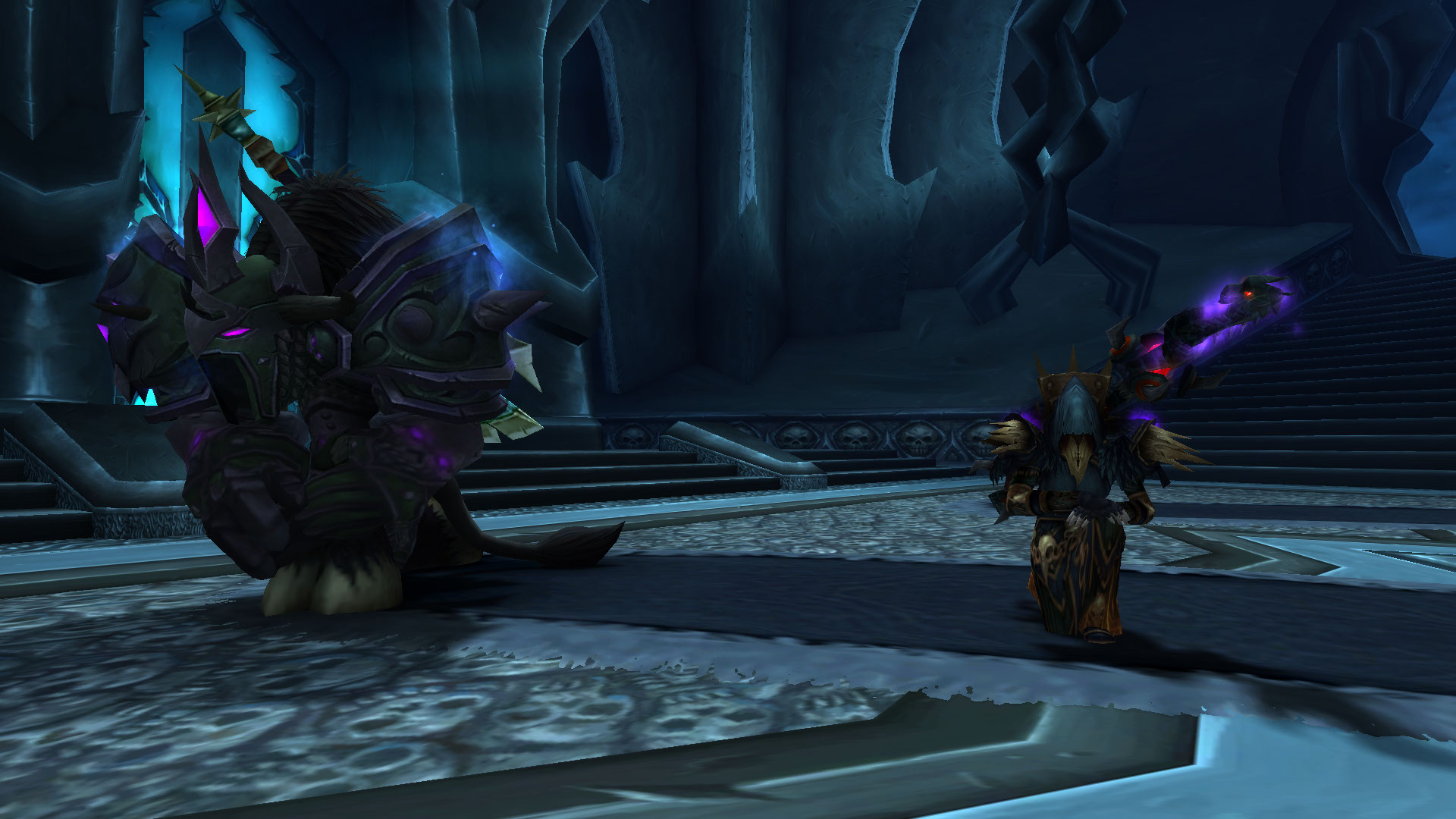
Mastering World of Warcraft raid tactics starts with understanding each role: tanks manage threat and positioning, healers adapt to burst damage, and DPS focus on maximum output while avoiding healer disruption. Effective raid composition balances diverse abilities and enhances synergy. Communication is key; use tools like Discord for clarity. Coordinate cooldowns, manage adds, and anticipate boss mechanics. Prioritize healing on critical targets and optimize skill rotations for peak damage. Evaluating each raid post-encounter will pinpoint areas for improvement. Explore these strategies further to elevate your raid group’s efficiency and performance.
Key Takeaways
- Adapt to Mechanics: Understand boss mechanics thoroughly to effectively counter phase shifts and avoidable damage.
- Role-Specific Contributions: Ensure each role maximizes their potential through tailored strategies and effective communication.
- Synergy and Coordination: Utilize class synergies and coordinate cooldowns for optimal damage, healing, and mitigation.
- Crowd Control Utilization: Employ crowd control techniques strategically to manage add spawns and control the fight.
- Real-Time Communication: Utilize voice tools for immediate feedback and adjustments to tactics during encounters.
Understanding Raid Roles
In the vast and challenging world of World of Warcraft, understanding raid roles is imperative for a successful raid experience. As a tank, your responsibilities include managing threat and positioning the boss to guarantee damage mitigation. You need to master positional awareness and situational strategies to adapt to unexpected challenges.
Healer duties are all about keeping the raid alive. You’ll need to focus on real-time adaptation strategies and anticipation to handle burst damage. Your situational awareness is vital; recognizing when to prioritize particular roles can be the difference between a wipe and a successful kill.
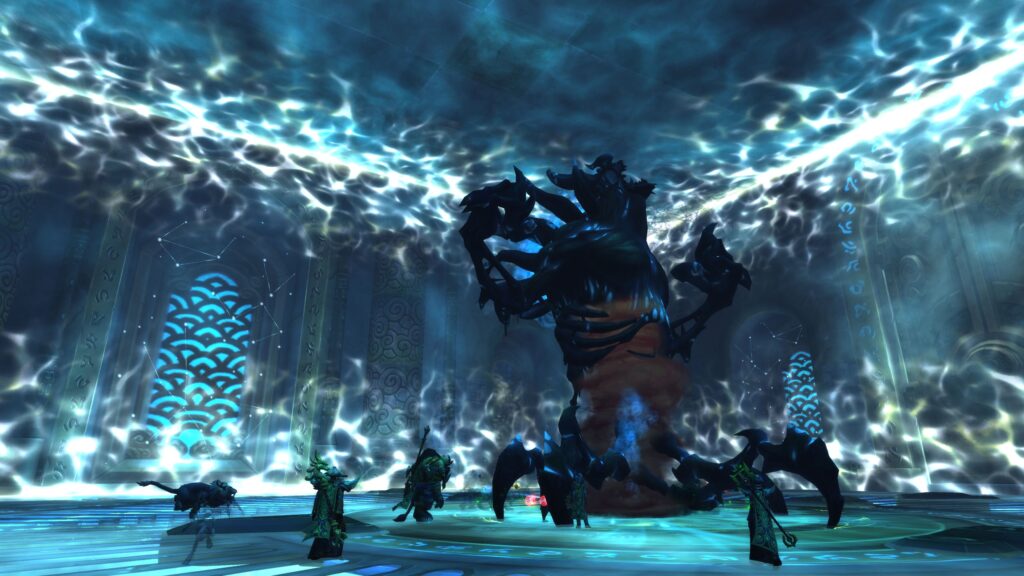
DPS roles must maximize damage output while following the tactical directions of the raid leader. Precision in executing role specific tactics and utility roles, such as controlling adds or providing buffs, is essential. Strong focus on positional awareness guarantees you’re not caught in harmful mechanics that would otherwise burden the healers.
The raid leader orchestrates the team, guaranteeing every member understands their responsibilities. They employ role-specific tactics and adapt strategies based on real-time feedback. With everyone exhibiting high situational awareness and following their defined roles, your raid will be poised for success.
Raid Composition Strategies
When planning your raid composition, balancing roles is absolutely essential for success. Make sure your team has a well-rounded mix of tanks, healers, and DPS to handle any encounter smoothly. Focus on optimizing team synergy by selecting classes and specs that complement each other’s strengths and cover any potential weaknesses.
Role Balancing Essentials
Crafting the perfect raid composition is the cornerstone of success in World of Warcraft’s most challenging encounters. You need to guarantee role diversity, allowing each player to contribute their unique strengths. It’s all about ability synergy, where each class and spec amplify the others’ performance.
| Key Concept | Explanation |
|---|---|
| Role Diversity | Balanced mix of classes and specializations to cover all necessary roles. |
| Ability Synergy | Combining abilities to maximize overall raid efficiency. |
| Damage Mitigation | Essential to have reliable tanks and defensive cooldowns. |
| DPS Balance | Confirming varied damage profiles to handle different phases effectively. |
Damage mitigation tops the list, with tanks taking primary responsibility. Their situational awareness is vital, confirming they position enemies correctly for controlled fights. You also need healer flexibility—healers must adapt quickly to high-damage phases while managing mana efficiently.
DPS balance guarantees every phase of the encounter receives appropriate attention, while utility support like buffs and debuffs can make or break an attempt. Crowd management and proper resource allocation contribute remarkably, whether it’s dealing with mobs or managing personal cooldowns. Achieving this harmony transforms theory into a finely-tuned raid machine primed for success.
Team Synergy Optimization
Building on the foundation of role balancing, achieving peak performance in a raid demands meticulous team synergy optimization. Effective raid composition isn’t just about having the right classes; it’s about understanding team dynamics and leveraging each player’s strengths. Start with synergy exercises that enhance communication styles and trust building. This means practicing clear and concise callouts, guaranteeing everyone is on the same page.
Conduct regular strategic planning sessions. Assess the raid’s specific needs and tailor the composition accordingly. Role adaptability is essential; encourage players to be flexible in their roles to handle dynamic encounters effectively. Address any conflict resolution proactively through open dialogue and make sure all voices are heard.
Motivation techniques play a pivotal role in maintaining morale. Positive reinforcement and constructive feedback loops keep the team focused and driven. Regularly analyze performance to identify areas for improvement.
Ultimately, your aim is to cultivate a cohesive group where each member understands their contribution and can seamlessly execute their role. The combination of trust, precise communication, and strategic planning will translate theory into practice, turning your raid into a well-oiled machine capable of overcoming any challenge.
Boss Mechanics Overview
Understanding boss mechanics is vital for mastering any raid in World of Warcraft. You must be prepared to handle various mechanic types that define each encounter’s pacing. Recognizing damage patterns is fundamental to predict when healers need to ramp up their healing or when the raid should use defensive cooldowns. Position adjustments are often necessary to avoid environmental hazards and coordinate effectively during phases shifts.
Here’s a quick breakdown:
| Mechanic Type | Description |
|---|---|
| Enrage Timers | Checkpoints forcing high DPS to avoid wipe |
| Avoidable Damage | Skills requiring specific actions to mitigate or dodge |
| Environmental Hazards | Ground effects or area dangers to navigate |
| Phases Shifts | Shifts in boss behavior requiring tactical shifts |
| Add Management | Handling additional enemies spawning during the fight |
Environmental hazards often necessitate constant movement, while enrage timers dictate the encounter pacing, pushing your DPS hard to beat the clock. Identifying avoidable damage helps in minimizing healers’ stress, and managing adds efficiently is critical in preventing overwhelming forces. Finally, understanding timing windows guarantees your skills sync up effectively with the encounter’s demands. Mastering these elements will greatly boost your raid’s success.
Crowd Control Techniques
Crowd control (CC) techniques are fundamental in handling chaotic raid environments efficiently. To maintain control, you need to master a variety of strategies including stun abilities and root effects. Stun abilities can halt mobs in their tracks, giving your team a much-needed breather, while root effects immobilize them, keeping them out of the combat zone.
Effective use of fear mechanics can send enemies running, though be cautious to avoid erratic aggro patterns. Silence spells are essential for preventing key abilities from enemy casters, giving your healers and DPS an edge. Displacement techniques, like knockbacks and grips, allow you to reposition mobs advantageously.
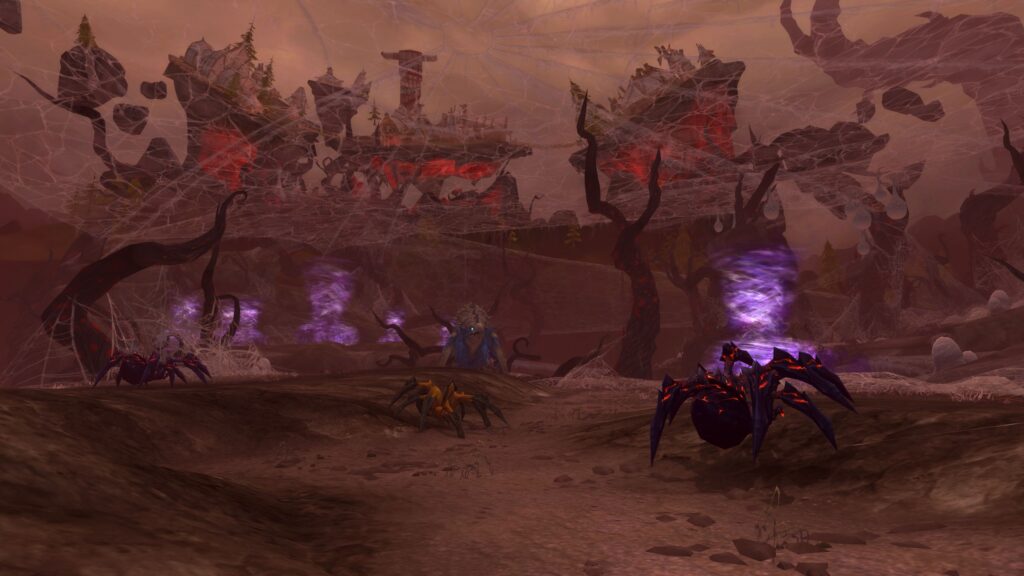
Crowd control coordination must be first-rate; organize who uses which CC on which targets. Utilize area control for managing multiple mobs, guaranteeing they don’t overwhelm your healers. Poly combos, combining polymorph effects with other CCs, can keep specific threats incapacitated for long periods.
Interrupt rotations are critical. Consistent use stops enemy abilities from casting, reducing overall raid damage. Proper target selection guarantees you’re focusing CC on the right mobs, maximizing efficiency. By mastering these CC techniques, your raid becomes a well-oiled machine, ready to tackle any challenge.
Healing Optimization
To maximize your raid’s survivability, focus on using healing cooldowns efficiently and prioritizing critical targets. Assign specific healers to key players and moments, ensuring no one falls through the cracks during high-damage phases. Remember, coordination and timing are just as essential as raw healing output.
Efficient Healing Cooldowns
Mastering efficient healing cooldowns during raids is vital for maintaining your group’s survivability and endurance. Proper cooldown management guarantees that healer mana is conserved, allowing for sustained support throughout prolonged encounters. Begin by evaluating party alignment to coordinate healing cooldowns effectively, guaranteeing maximum burst healing during critical phases. Proactive healing, rather than reactive strategies, positions your team to handle incoming damage preemptively, maximizing your healing share across the group.
Synergy timing is fundamental—align cooldowns with other healers to maximize output when high-damage mechanics hit. Plan for the aftermath by saving specific abilities for recovery phases, maintaining resilience factors across the raid. Tailoring your cooldowns around the fight’s timings contributes to superior healer performance, assuring you don’t exhaust all resources simultaneously.
Execute with precision: forecast when to employ cooldowns during heavy damage spikes and align them with DPS utilities for a cohesive defense. Adopt these proactive strategies to anticipate and blunt raid-wide damage. Mastery of such intricate play allows your group to harness the full potential of healing resources, guaranteeing survival and flourishing through the most challenging bosses World of Warcraft can throw at you.
Prioritizing Critical Targets
Building on the foundation of efficient healing cooldowns, the next step is to fine-tune your approach by prioritizing critical targets. You need robust target selection strategies to guarantee those at the highest risk receive healing when it counts most. Start by conducting a boss threat assessment; understand which mechanics inflict the most damage and who is likely to be affected.
Raid target evaluation plays an essential role in this process. Create a priority list that identifies the critical roles within your group – tanks and healers usually top this list since their survival is paramount to the raid’s success. Keep in mind the damage priority tips: consider both incoming and outgoing damage when deciding who to heal first.
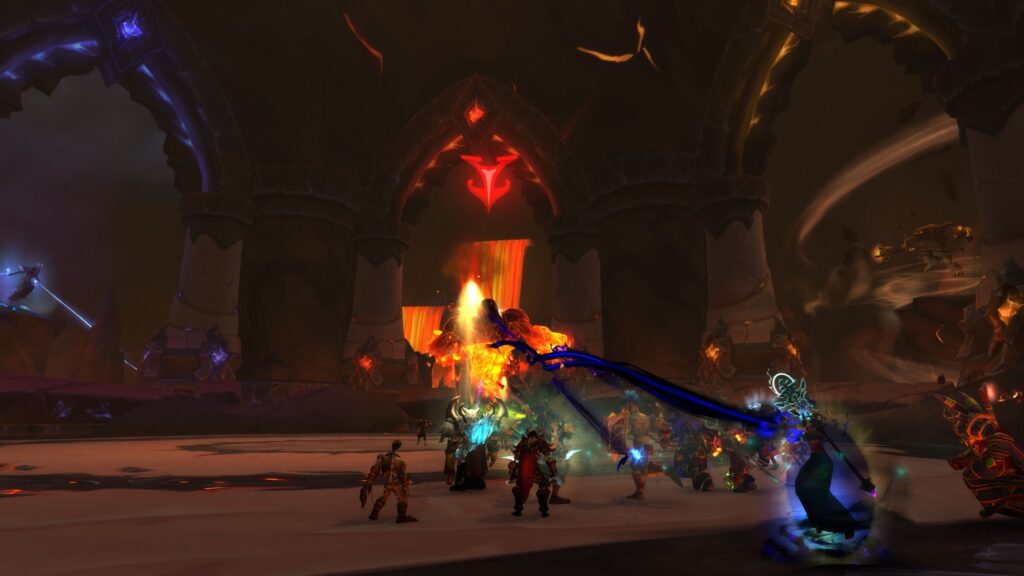
Critical damage analysis helps in deciding your healing allocation. Make sure you’re aware of moments in the fight where burst damage is most likely, and pre-emptively position yourself to mitigate it. Your goal is to maintain an adaptive approach, adjusting your priorities as the encounter evolves. By mastering these tactics, you’ll minimize unnecessary deaths and boost your raid’s chances of success. Effective prioritization solidifies you as a cornerstone of your raid group’s survival strategy.
Effective Communication
How can you achieve seamless coordination in a World of Warcraft raid? Start by mastering raid terminology, so everyone understands commands instantly. Voice communication is essential; use tools like Discord to deliver clear instructions and guarantee everyone can respond immediately. Establish feedback loops—encourage quick, specific feedback so leaders can adjust strategies on the fly.
Incorporate non-verbal cues; train your raid to use specific in-game signals for fast, silent communication. Conflict resolution should be swift and discreet—address disagreements privately to maintain group cohesion. Adhere to strict raid etiquette; respect others’ time by being punctual and prepared, and don’t talk over others during critical moments. Set clear meeting protocols—lay out the agenda before the raid begins and stick to it.
Effective information sharing is fundamental. Brief your team on boss mechanics, positioning, and role-specific tasks before engaging. Encourage everyone to share their insights during downtime. By fostering a culture of open, respectful communication, you minimize confusion and maximize performance. Mastering these elements will elevate your raid’s effectiveness and guarantee smoother runs, enabling you to tackle the game’s toughest challenges with precision and confidence.
Gear and Consumables
To complement your team’s effective communication, guaranteeing your gear and consumables are first-rate is vital. Your success hinges on meticulously optimizing every piece of equipment and every consumable you employ.
Start with understanding your stat priorities. Every class has primary and secondary stats that maximize effectiveness. Gear upgrades should always follow these stat guidelines. Legendary effects are powerful bonuses that can shift the tides of battle; choose ones that enhance your primary role, whether it’s tanking, healing, or damage.
Consider these strategies:
- Enchantment benefits: Apply the best enchants to boost your primary stats.
- Gem combinations: Integrate gems that align with your stat priorities to maximize your effectiveness.
- Trinket synergies: Pair trinkets that complement each other and your role in the raid.
- Potion strategies: Use potions that provide immediate benefits during essential phases of the fight.
- Food buffs: Guarantee you have the appropriate food buffs to further enhance your capabilities.
Tier sets offer unique bonuses, making them highly valuable. Balance their benefits with the latest gear upgrades. Finally, your consumable choices, from potions to food buffs, should be strategically aligned with your raid role for maximum gains. Your readiness determines your success.
Damage Maximization
To maximize your damage, focus on perfecting your skill rotations and prioritizing the right gear and stats. You’ll need to understand which abilities synergize best and in what order to use them for peak efficiency. Equip gear that enhances your primary stats and secondary attributes to fully optimize your performance during raids.
Optimal Skill Rotations
Mastering ideal skill rotations is essential for maximizing damage output in World of Warcraft raids. Precise skill rotation techniques form the backbone of your strategy, requiring meticulous damage output analysis and cooldown management strategies. Your ability to weave together abilities synergistically will directly impact your burst damage planning and sustained damage evaluation. Here are some key tactics to take into account:
- Cooldown Management Strategies: Confirm you’re leveraging major abilities’ cooldowns to maximize both burst and sustained damage.
- Skill Priority Guidelines: Follow a priority system for your abilities to confirm you’re always using the most effective skills.
- Rotation Adjustments Methods: Adapt your rotation based on fight mechanics and phases, incorporating situational abilities as needed.
- Talent Choice Implications: Choose talents that enhance your primary abilities and align with your rotation to boost overall damage.
- Spatial Awareness Skills: Maintain awareness of the raid’s spatial dynamics to optimize skill usage and avoid unnecessary downtime.
Subtle rotation adjustments and continuous evaluation will keep you ahead. Your skill rotations should remain flexible yet grounded in strong principles. Make the most of your talent choices and always stay situationally aware, maximizing your potential in any raid encounter.
Gear and Stat Prioritization
With your skill rotations honed to perfection, the next step towards peak performance in World of Warcraft raids hinges on refining your gear and stat allocation. To begin, understand your stat weights—knowing which stats provide the most damage output for your class is essential. Gear upgrades should focus on items that enhance these priority stats, considering both primary and secondary stats. Prioritize ideal enchantments on your weapons and gear to squeeze out every bit of extra damage.
Your secondary stats, such as Critical Strike, Haste, Mastery, and Versatility, play important roles in your throughput maximization. Confirm your itemization strategies align with these priorities. Incorporate trinkets that offer powerful procs or stat boosts, as the right trinket selection can greatly enhance your performance.
Don’t overlook legendary items and tier gear sets, as they provide unique effects that can redefine your DPS potential. Engage in progressive gearing by continually farming content for better item drops and maximizing your gear’s effectiveness over time.
Encounter Preparation
Preparing for an encounter in World of Warcraft demands meticulous strategy and a deep understanding of the raid mechanics. First, familiarize yourself with the encounter timelines and the sequence of events. Knowing when certain abilities will hit allows you to make timely strategy adjustments. Environmental awareness is key; understanding the terrain and its nuances can be the deciding factor between success and failure.
You also need a solid grasp of debuff management. Assign roles to handle specific debuffs, ensuring they don’t overwhelm your team. Effective resource allocation is essential—healers should conserve mana for tougher phases, and DPS should reserve cooldowns for burst phases. Positioning strategies are critical; practice precise placements to minimize damage and optimize performance during phase changes.
Memorize the encounter to keep your team synchronized and make class synergies work in your favor. Certain classes can complement each other, turning potential liabilities into advantages.
Here’s a quick checklist for encounter preparation:
- Study encounter timelines: Know the sequence of events and important timings.
- Plan strategy adjustments: Be ready to adapt your approach as needed.
- Emphasize environmental awareness: Understand the terrain.
- Focus on debuff management: Assign roles to handle debuffs effectively.
- Optimize resource allocation: Conserve and utilize resources wisely.
Post-Raid Analysis
Effective post-raid analysis is essential for refining your strategies and improving your raid performance. You should start with a detailed raid performance review, examining each aspect of the encounter and identifying areas for improvement. Next, hold a player feedback session, where every member shares insights on what went well and where adjustments are needed. This feedback is invaluable for understanding the raid from multiple perspectives.
Strategic growth opportunities often emerge from a thorough lesson learned analysis. Look for patterns in your group’s performance and pinpoint tactics that require optimization. During encounter recap discussions, dissect key moments of the fight, determining what could have been handled more effectively.
Don’t overlook the importance of a team morale assessment. Recognize achievements to keep spirits high and address any frustrations that may have surfaced. This guarantees your team remains cohesive and motivated.
Incorporate adaptation strategies analysis to develop flexible plans for future encounters. Adaptability is critical in high-stakes raiding. Additionally, consider implementing skill enhancement programs to address individual weaknesses identified during the raid. Targeted training can greatly boost overall raid efficiency. Through these meticulous steps, your team will steadily progress and conquer greater challenges.
Frequently Asked Questions
What Are Some Common Add-Ons Used for Raiding in World of Warcraft?
When raiding, you’ll need add-ons like Deadly Boss Mods for boss mechanics, and WeakAuras for tracking raid cooldowns. HealBot helps with healing strategies, while Omen Threat Meter assists in threat management. Grid2 is great for enhancing group synergy, and GTFO warns you about positioning tactics. These tools streamline your raid experience, ensuring everyone’s on top of their roles and maximizing overall performance.
How Can I Improve My Reaction Time During Raid Encounters?
Practice makes perfect, so start by doing reaction drills daily. Set up controlled practice scenarios to simulate raid conditions. Familiarize yourself with boss mechanics and anticipate movements. Focus on using keybinding efficiently—muscle memory is vital. You need to be on the ball and stay alert. Don’t panic; calm reactions lead to better performance. Precision and consistency come from continuous, focused practice. You’ll see improvement bit by bit.
How Do I Manage My In-Game Calendar for Raid Schedules?
To manage your in-game calendar for raid schedules, prioritize efficient raid scheduling and set event reminders. Make certain you’ve synced your calendar with your guild’s schedule to enhance group coordination. Use time management techniques to balance your real-life commitments with in-game demands. Set up alerts ahead of important events to guarantee you never miss a raid. This strategy keeps you organized and prepared, enhancing overall raid performance.
What Are Effective Ways to Reduce Lag During Raids?
Think of lag as your worst enemy during raids. To outsmart it, focus on network optimization by using a wired connection instead of Wi-Fi. For internet stability, reset your router regularly. Hardware upgrades like adding more RAM or getting a better graphics card can be game-changers. Finally, tweak your game’s setting adjustments to lower graphics quality. With these steps, you’ll conquer lag and guarantee smoother gameplay.
How Can I Balance Raiding and Real-Life Responsibilities?
Balancing raiding and real-life responsibilities requires strategic time management and priority setting. You’ve got to schedule your raid times around your essential activities like work or family obligations. Dedicate specific hours for gaming without letting it interfere with significant tasks. Maintain a clear, consistent routine and communicate your schedule with your raid group. This way, you’re fulfilling both your gaming passion and your real-life duties effectively.
Conclusion
To master World of Warcraft raids, think like Sun Tzu preparing for battle. Understand your role, optimize your gear, and strategize with precision. Master boss mechanics and crowd control as if you’re orchestrating a symphony. Healing and damage require balance, like yin and yang. Prepare meticulously, and analyze post-raid to sharpen your tactics. Follow these principles, and victory will be within your grasp, transforming theory into practice with the finesse of a seasoned general.