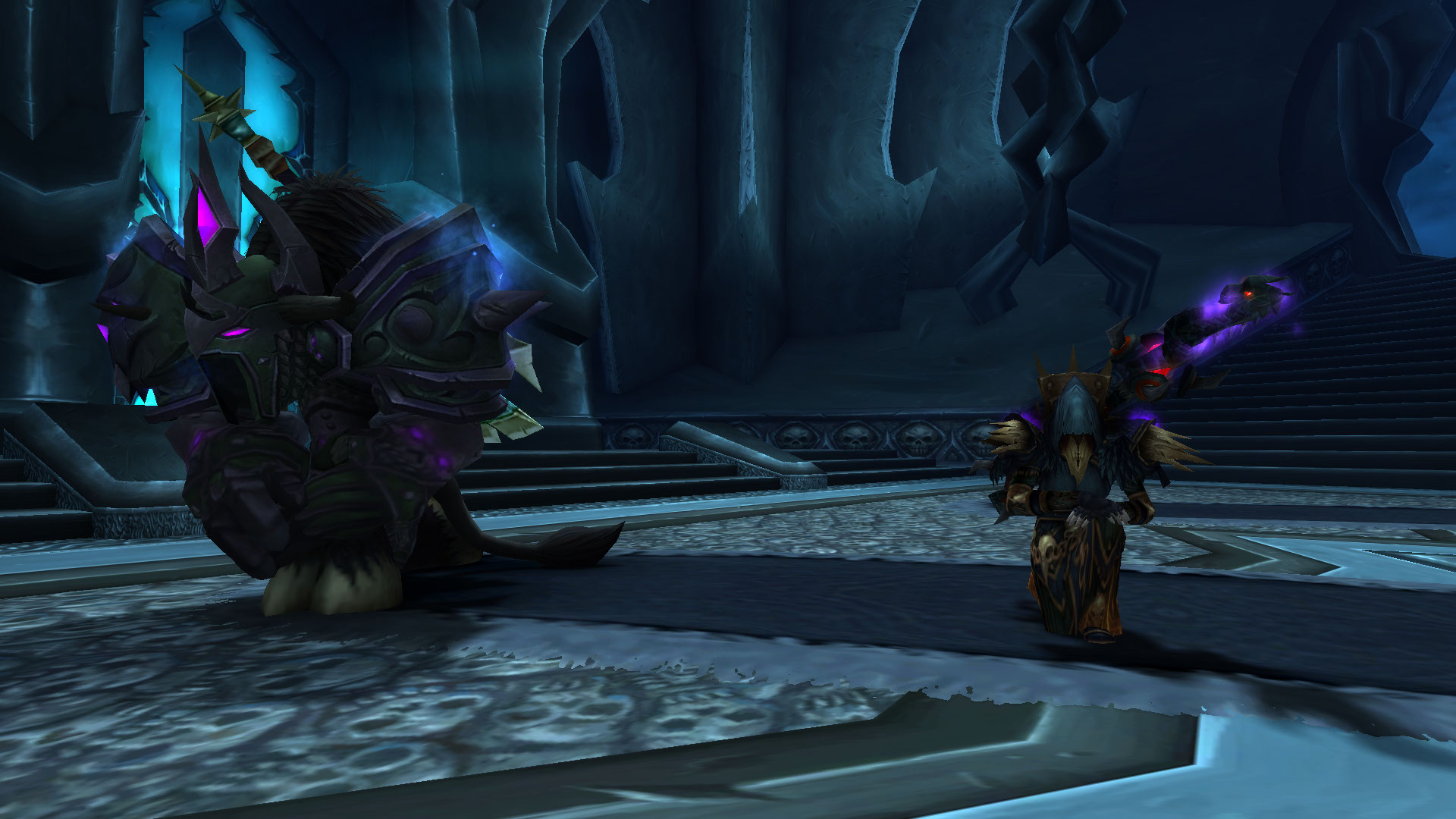
Combat animations serve as a visual language that speaks directly to players without a single word of dialogue. Every swing, cast, leap, and explosion communicates weight, intent, and emotion. This language shapes how players understand their class identity, how they read enemy behavior, and how they interpret the flow of battle. Animations transform combat from mechanical input into expressive storytelling.
This article examines how combat animations convey meaning, why they shape class fantasy, and how the visual language of combat has evolved across expansions.
Movement as Expression of Power
Animations communicate strength through motion. A warrior’s heavy cleave, a rogue’s precise strike, a mage’s graceful spellcast — each reflects the philosophy behind the class. Players feel power not only from damage numbers, but from the way abilities move through space. This connection strengthens class identity and creates emotional satisfaction through fluid motion.
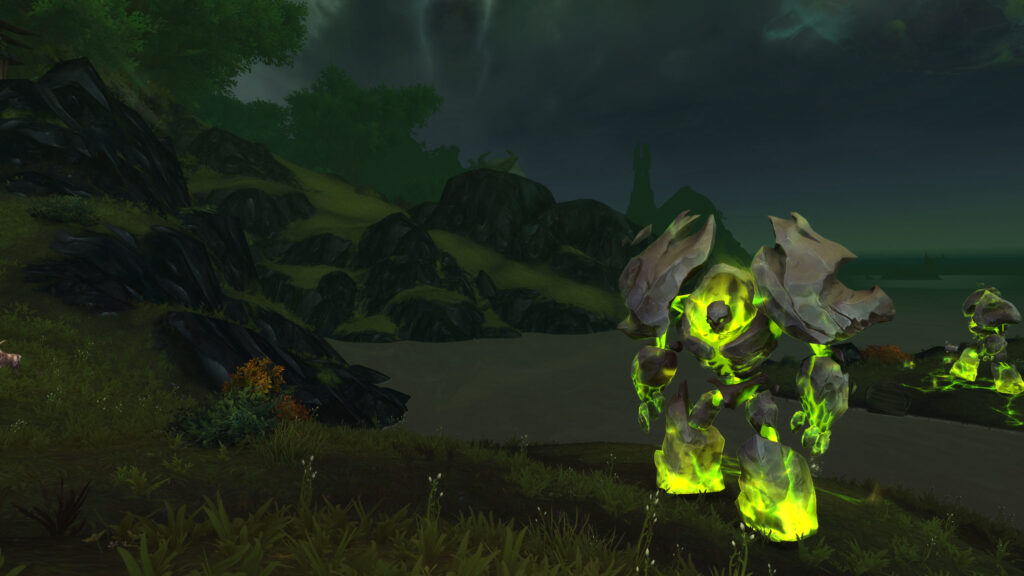
Power is felt through the rhythm of movement.
Visual Cues That Teach Without Words
Combat animations guide players through encounters by providing immediate nonverbal feedback. Telegraphs, cast motions, wind-ups, and glowing effects teach players to react instinctively. Before any text appears on-screen, the animation communicates danger or opportunity. These cues form the foundation of encounter learning, helping players understand mechanics on an emotional and visual level.
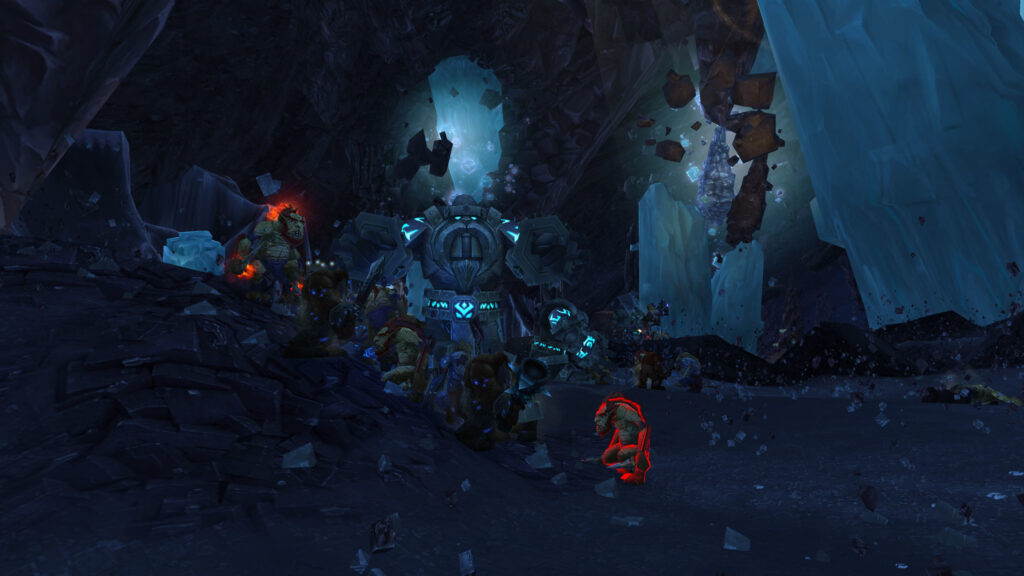
To illustrate the role of animation in combat literacy, here is a simple breakdown:
- Wind-up motions: Signal incoming heavy attacks
- Casting gestures: Warn of magical effects or targeted spells
- Color-coded flashes: Indicate interruptible or avoidable abilities
- Ground patterns: Map safe and unsafe zones
- Impact sparks: Show success or failure of abilities
Class Identity Built Through Animation
Every class communicates personality through animation. Monks flow with grace, druids shift with natural fluidity, paladins strike with righteous force, and demon hunters dart across the battlefield with acrobatic precision. These animations create emotional anchors that define how a class feels to play — shaping fantasy, immersion, and long-term attachment.
Animation becomes the heartbeat of class fantasy.
The Evolution of Combat Animation Over Time
Earlier expansions relied on simple movements, but modern combat features layered animations, particle effects, and detailed timing. This evolution aligns with rising expectations for responsiveness and visual clarity. While animations grew more complex, they also became more readable — allowing players to interpret mechanics quickly without losing aesthetic depth.
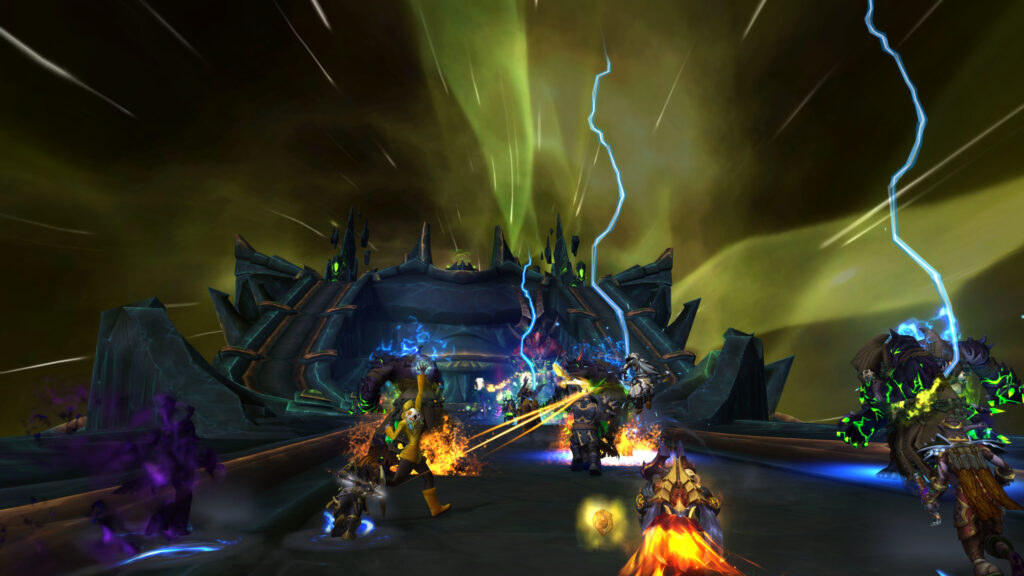
Modern combat tells richer stories with sharper clarity.
Why Animation Is Central to Combat Identity
Combat animations matter because they communicate power, emotion, and intent without relying on text or voice. They shape class identity, reinforce player satisfaction, and guide the learning curve during encounters. Animations turn combat into an expressive art form — a visual language understood instinctively by players across all skill levels.
In battle, animation becomes the voice of the world.
Conclusion
The language of combat animations enriches the experience by turning movement into meaning. Through motion, timing, and visual cues, the game communicates power and emotion more effectively than dialogue ever could.
These animations form the foundation of combat identity, shaping how players understand battles, read danger, and connect with their class.