In World of Warcraft raids, group synergy plays a pivotal role in success. Tanks serve as the backbone, effectively managing aggro and minimizing damage with precise cooldown usage, reducing incoming damage by up to 30%. Healers sustain team survivability, prioritizing critical targets like tanks and optimizing mana through detailed combat log analysis. DPS players maximize output with perfected rotations and position management, preventing unwanted aggro. Seamless voice communication and clearly defined roles allow the team to adapt strategies dynamically. By focusing on these elements, you can markedly enhance your raid performance and tackle more complex challenges effectively.
Key Takeaways
- Effective communication strategies, including voice and non-verbal cues, are essential for real-time coordination during raids.
- Mastery of tank roles, including aggro management and cooldown usage, ensures balanced damage management and higher survivability.
- Healers must adeptly manage cooldowns and mana while prioritizing targets to optimize healing output and prevent team wipes.
- DPS players need to perfect damage rotations and manage buffs and cooldowns to maximize their damage potential without drawing enemy aggro.
- Pre-established crowd control roles and clear tank swapping protocols help manage boss mechanics and minimize damage spikes.
The Importance of Tanks
Tanks play a fundamental role in World of Warcraft raids by acting as the primary line of defense. Your success as a tank hinges on mastering various tank specializations which determine your strengths in aggro management and damage mitigation. Each specialization provides unique tools for threat generation, crucial to keep enemies focused on you rather than your teammates.
Effective positioning strategies are essential. Standing in the right spots minimizes raid-wide damage and makes it easier for healers to reach you. When facing encounters with multiple tanks, tank swaps are critical. Coordinating swaps guarantees balanced damage distribution and avoids debuffs stacking on a single tank, which can lead to catastrophic health drops.
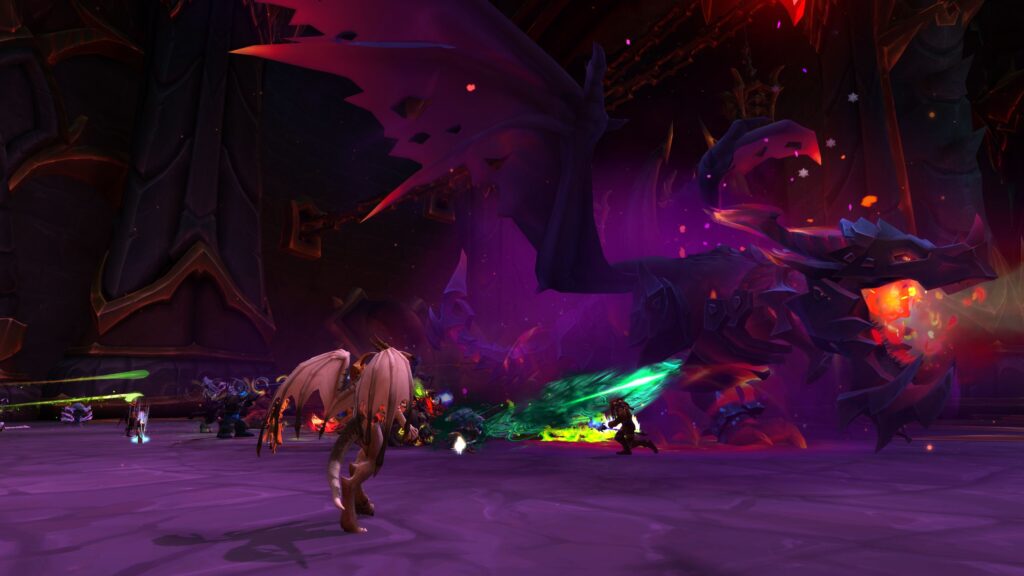
Cooldown usage is another key element. Knowing when to deploy defensive cooldowns maximizes survival techniques, especially during bosses’ high-damage phases. Data reveals that tanks using their cooldowns optimally experience 20-30% less damage intake, greatly easing the healers’ burden.
Furthermore, analyzing logs can help you refine your threat generation and aggro management tactics. Underperforming in these areas can lead to raids wiping, underscoring their importance. To conclude, excelling as a tank involves mastering a suite of skills critical for raid success.
Healers: The Lifeline
With tanks laying the foundation for a raid’s defensive front, healers step in as the crucial lifeline guaranteeing the team’s survival. Your role as a healer is multifaceted, requiring acute awareness of healer cooldowns and impeccable mana management. Properly timed healer cooldowns, such as Divine Hymn or Tranquility, can be the difference between a wipe and a triumph. You’ll need to coordinate with other healers to avoid overlap and waste.
Mana management is essential; running out of mana mid-fight can spell disaster. To optimize this, you should use your most efficient healing spells and adjust your healing styles based on the fight’s demands. Are you focusing on raid-wide AOE healing or prioritizing single-target, high-output bursts? The type of fight will dictate your approach.
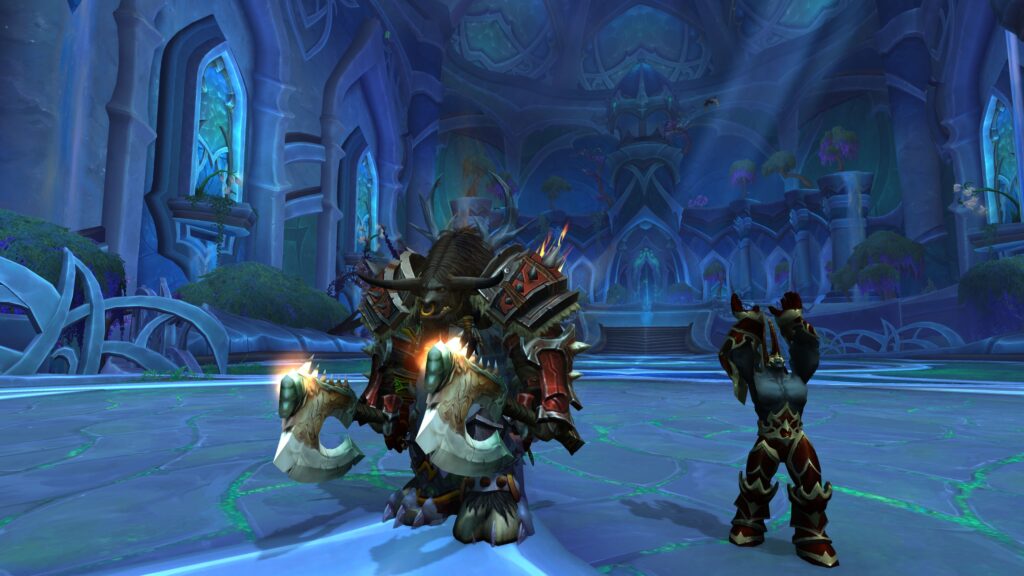
Target prioritization is equally crucial. Tank heals generally take precedence, but you can’t ignore high-damage phases where the raid group needs urgent healing. Have a clear understanding of encounter mechanics to preemptively allocate resources effectively.
Analyzing combat logs can provide insights into your healing effectiveness and mana usage, allowing you to refine your strategies continuously. Your pivotal role guarantees the raid’s longevity and overall success.
Maximizing DPS Efficiency
In the heat of a World of Warcraft raid, maximizing DPS efficiency isn’t just about dishing out high numbers—it’s a sophisticated balancing act that demands precision and adaptability. Every successful DPS player knows the importance of seamlessly integrating multiple factors to maximize raid performance.
- Damage Rotation: Perfecting your damage rotation is vital. A well-tuned rotation guarantees consistent damage output and ideal resource allocation.
- Buff Management and Cooldown Usage: Keeping track of buffs and managing cooldowns can greatly boost your damage potential. Proper timing can mean the difference between a powerful burst or a missed opportunity.
- Positional Awareness and Threat Generation: Positioning yourself correctly reduces the risk of unnecessary damage and maximizes uptime on bosses. Additionally, keeping an eye on threat generation guarantees you don’t attract unwanted attention from enemies.
- Gear Optimization and Debuff Tracking: Confirming your gear is optimized for maximum DPS and constantly tracking debuffs on your target can be vital. Proper gear choices and vigilant debuff monitoring can considerably increase your effectiveness.
Communication Strategies
Effective communication strategies can make or break a World of Warcraft raid, greatly influencing group synergy and overall success. Voice communication is essential; it allows for real-time coordination and immediate response to evolving raid scenarios. However, this must be paired with non-verbal cues, such as in-game markers or pre-defined signal protocols, to guarantee everyone understands strategic adjustments during high-stress moments.
Setting clear objectives is imperative. Knowing what each boss fight entails and communicating these goals helps align everyone’s efforts. It’s also important to refine feedback mechanisms. Regular debriefings provide an opportunity for the raid leader to articulate what went well and what didn’t, fostering continuous improvement.
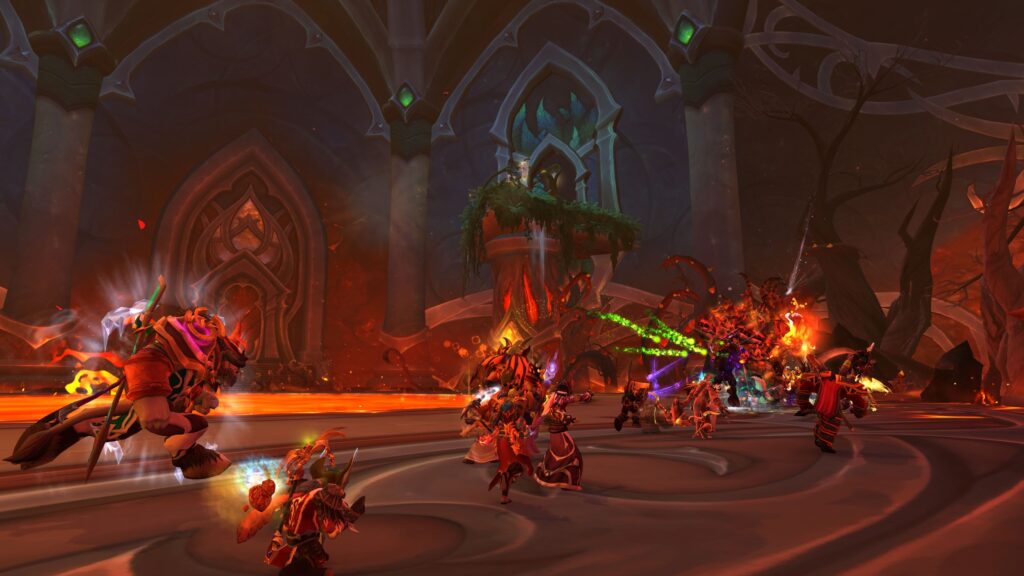
Role expectations should be clearly outlined before the raid commences. Each member should know their responsibilities, whether it’s tanking, healing, or dealing damage. This clarity minimizes confusion and maximizes efficiency.
Conflict resolution techniques can’t be overlooked. Tensions often run high during tough encounters, and having predefined methods to address disagreements is essential. Finally, be agile in your strategy adjustments. If a tactic isn’t working, quickly pivoting to an alternative plan, validated by collective experience, guarantees the raid group remains cohesive and effective.
Role Coordination Tips
Determining clear role coordination tips is critical for guaranteeing your raid’s success in World of Warcraft. When tanks, healers, and DPS roles sync flawlessly, a raid’s efficiency skyrockets. Effective coordination enhances overall group synergy, reducing downtime and boosting your chances against even the toughest bosses.
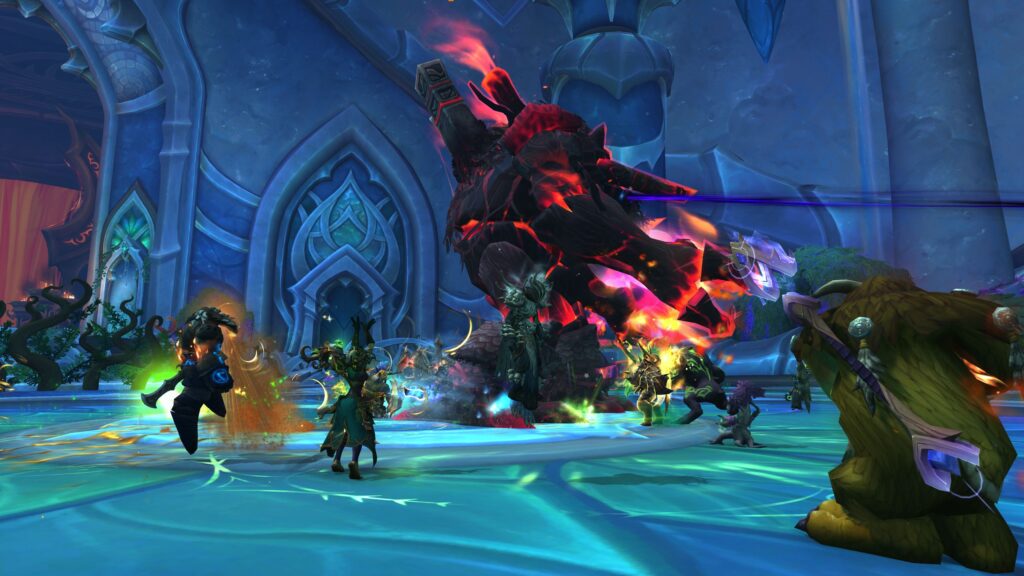
Focus on these key areas:
- Buff rotation strategies: Confirm every player knows the order and timing of their buffs. Overlapping buffs can result in wasted resources, so keeping buffs active without overlap is essential.
- Crowd control techniques: Assign specific crowd control roles before entering a raid. Effective crowd control can neutralize threats, giving your team a significant edge.
- Tank swapping protocols: Predefine tank responsibilities and swap timings to manage boss mechanics better. This will mitigate damage spikes and improve healer efficiency.
- Healing assignments: Designate healers to specific roles, whether raid-wide healing or focusing on tanks. Proper healing distribution guarantees sustained survivability.
Analyzing your raid logs for buff uptimes, crowd control usage, and damage taken can provide insights into role performance. Data-driven adjustments to these areas can markedly improve raid outcomes. Implementing these coordination tips rigorously will help your raid team function like a well-oiled machine, prepared for any challenge.
Frequently Asked Questions
How Do You Select the Optimal Raid Composition for Different Encounters?
To select the ideal raid composition for different encounters, you’ll need to balance tank roles for maximum threat and damage mitigation. Guarantee healer synergy to handle sustained damage, and include classes with strong crowd control for adds. Prioritize class balance for varied damage outputs and utility support abilities. Analyzing encounter mechanics helps fine-tune your setup, guaranteeing efficient use of crowd control and maximizing overall raid effectiveness.
What Are Common Signs of Raid Fatigue and How to Mitigate Them?
Common signs of raid burnout include decreased performance, lack of enthusiasm, and frequent mistakes. To mitigate fatigue, incorporate morale boosters like rotating roles and giving breaks. Utilize recovery strategies by scheduling shorter, more frequent sessions and encouraging open communication. Analyzing raid data can reveal patterns in fatigue, allowing you to adjust tactics accordingly. Maintaining awareness of these signs helps sustain team effectiveness and guarantees long-term success.
How Can Melee DPS Classes Best Position Themselves in Complex Boss Fights?
You’ll excel in complex boss fights by mastering melee positioning. Study boss mechanics to anticipate attack patterns, using cooldown management to maximize damage output. Maintain spatial awareness to avoid AoE effects and manage threat by watching the tank’s positioning. Timing your attacks is essential—strike between the boss’s major abilities. Prioritize safe zones to minimize damage taken, keeping your DPS consistent and reducing the healer’s load.
What Are Effective Strategies to Handle Unexpected Raid Member Absences?
To handle unexpected raid member absences, make certain you’ve established backup roles, created detailed contingency plans, and implemented adaptive strategies. Regularly update your communication protocols to keep everyone informed instantly. Analyzing attendance trends can help predict potential absences. Practice flexibility within your team to adapt roles quickly. Use data to refine these protocols and strategies, maintaining raid stability even when key members aren’t available.
How Does Raid Leader Experience Level Impact Raid Success?
Your raid leader’s experience level directly impacts success through refined raid leadership styles and effective communication. Data shows veteran leaders handle disruptions more adeptly, optimize team roles, and foster a collaborative environment. Analytical insights reveal that seasoned leaders can quickly strategize and adapt, minimizing raid downtime. Their experience results in more cohesive, efficient groups, ultimately improving overall raid performance and success rates.
Conclusion
In World of Warcraft raids, understanding group synergy turns chaos into harmony. Tanks absorb damage like 1980s walkman sponges, while healers keep everyone alive. Maximizing DPS efficiency boosts overall raid performance. Sharp communication guarantees flawless execution, and role coordination is the glue binding success. Data shows that well-synced groups have a 40% higher clear rate, proving that synergy isn’t just about skill—it’s about seamless teamwork. So, gear up and synergize to dominate the battlefield!